An independent media channel named @m33rkat...
pronounced like the animal meerkat...
All work from idea generation to conceptualising, scripting and researching, and video editing is completed by myself on Adobe Premiere Pro and After Effects. I currently do not have any copy or video editors.
I wanted to create a channel that prioritises under-reported stories and events, with a focus on politics and its intersection with history. Sometimes I cover more modern stories and what piques my interest, other times it is more history focused. The style can be called video essays (a popular genre where academia meets youtube), or documentaries.
Other videos to come include: Passport Privilege, The African Arab Slave Trade, the Bali 9, and El Salvador Prisons.
Motion Graphics from 'West Papua's hidden suffering' Documentary
Watch video here
Research consolidated into a video script:
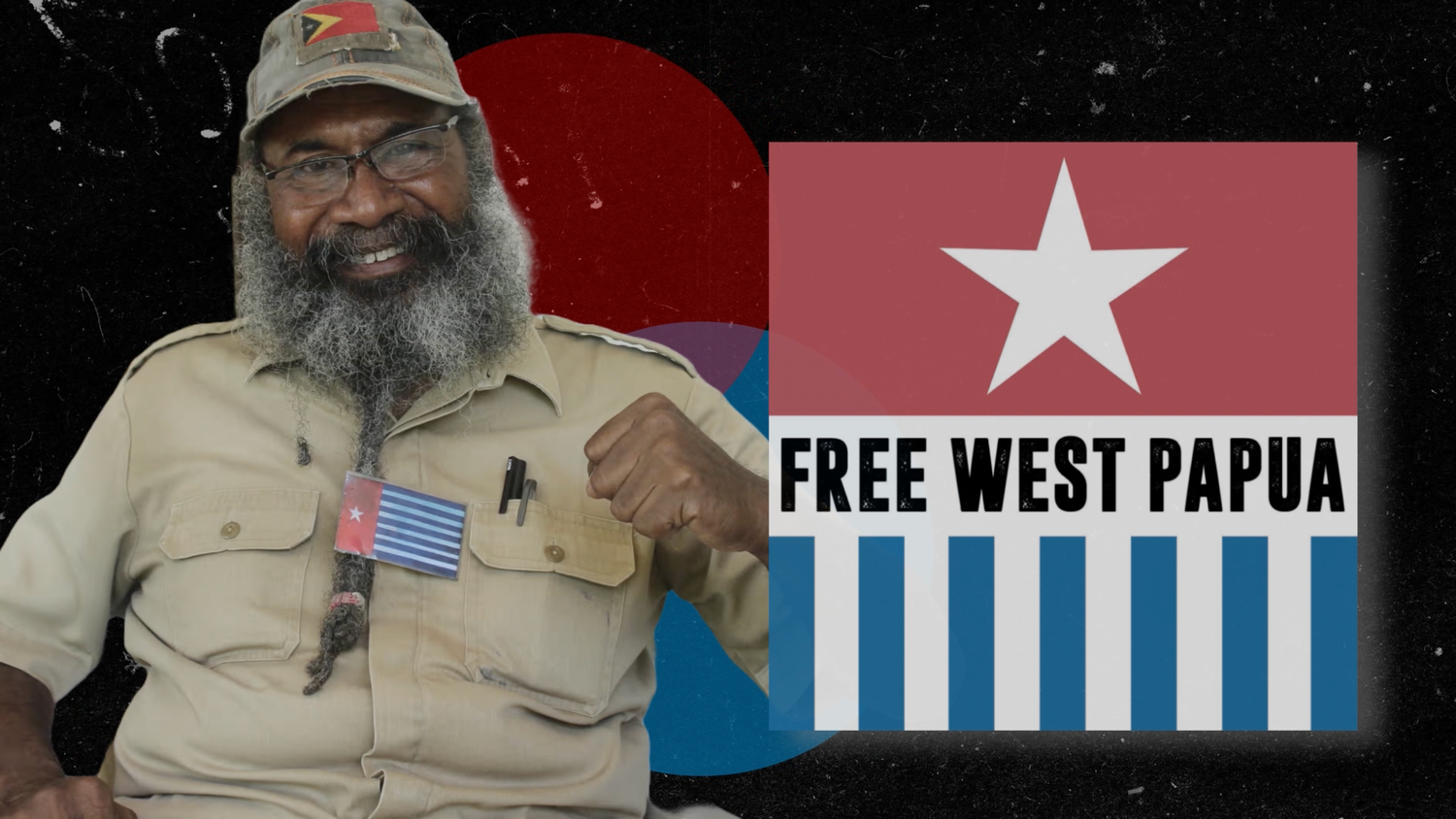
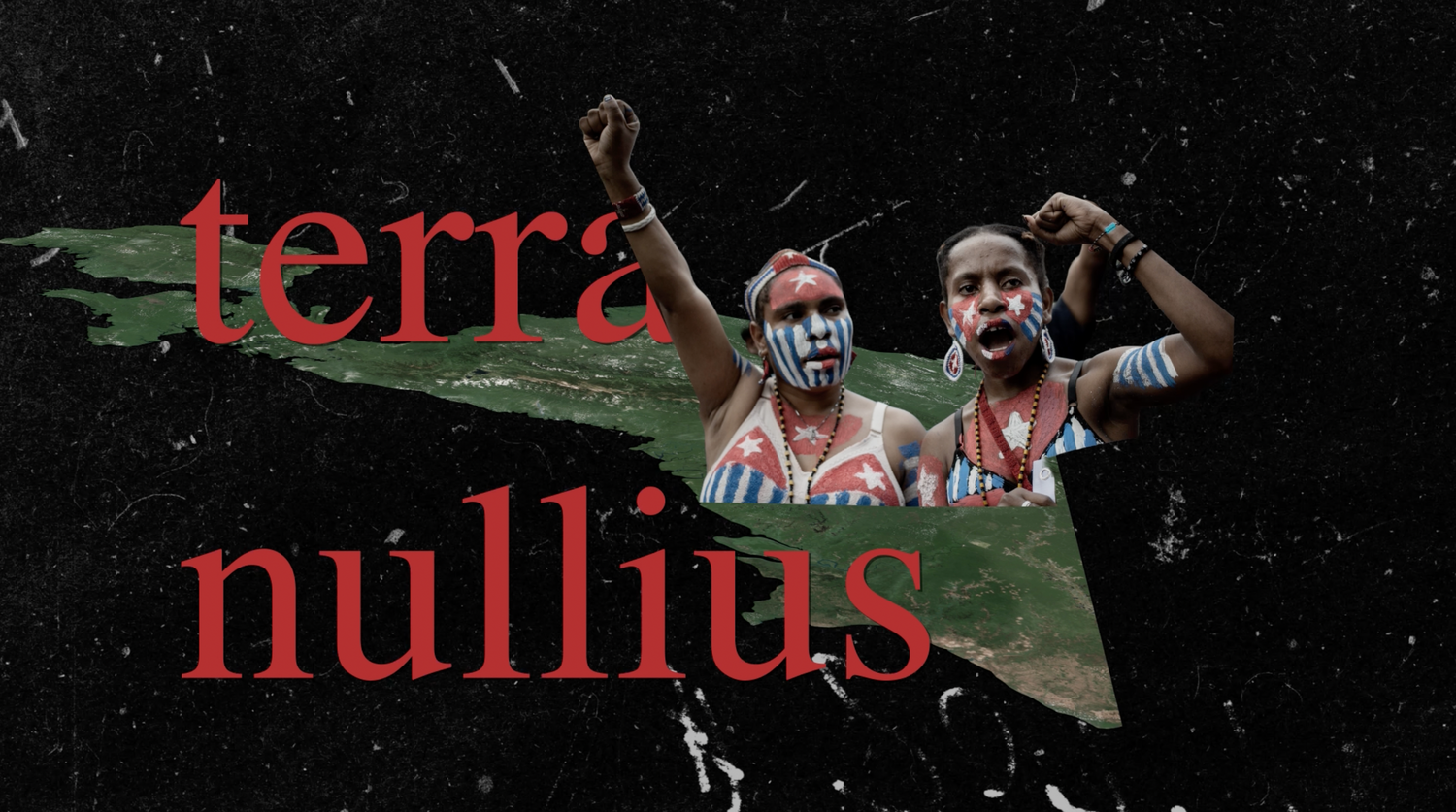
On 1st December 2004, Filep Karma, a prominent and influential campaigner for West Papua independence, raises the morning star flag in Jayapura Indonesia on the anniversary of the declared independence of Papua from the Dutch in 1961. This action is outlawed in Indonesia and those who do so are subject to arrest, beatings and death. Consequently, Karma was thrown in jail for the second time for “treason”, serving 11 years of a 15-year sentence - merely for raising a flag that symbolises Papua independence.
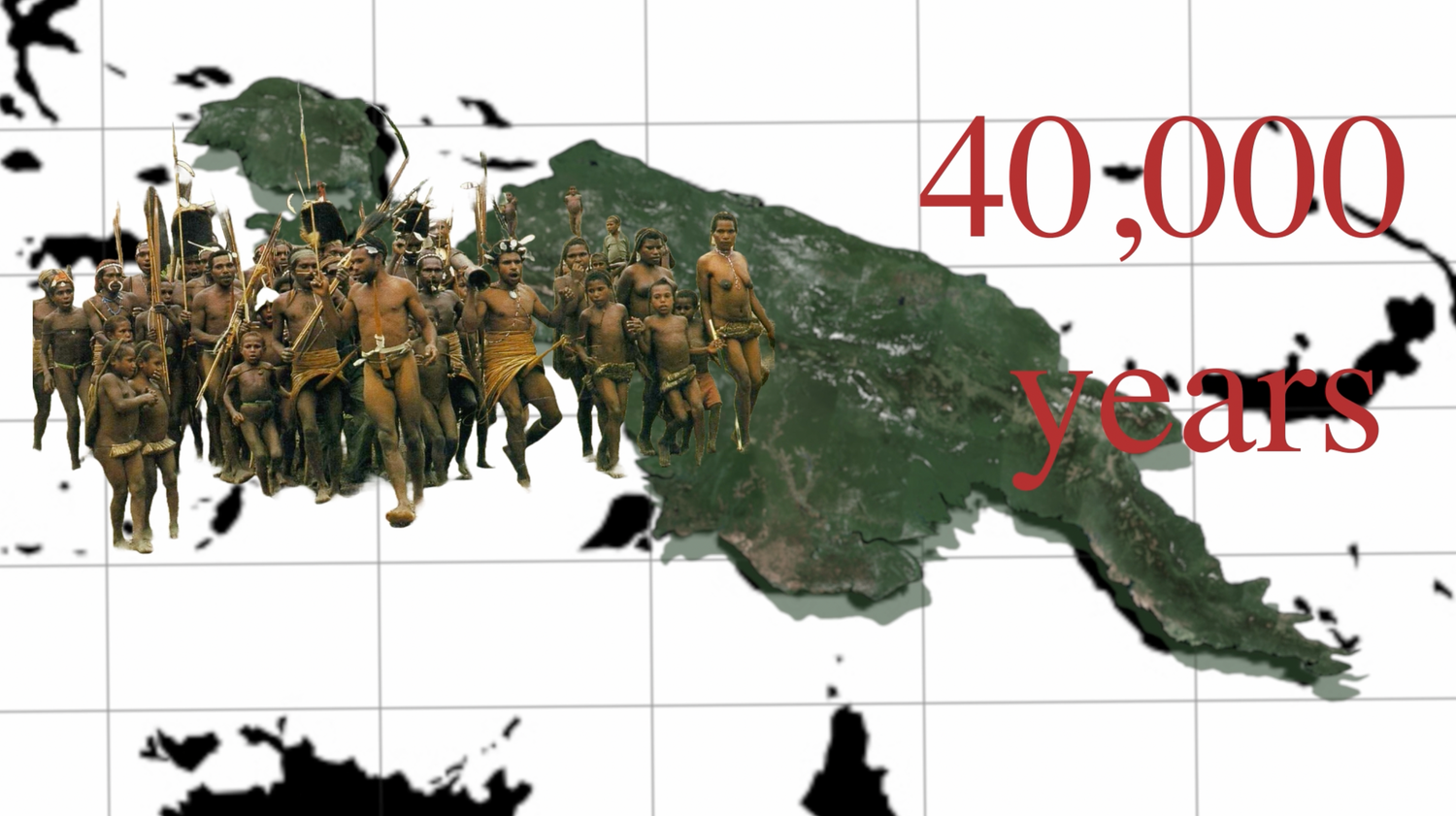
So where is this happening? This is West Papua. It is located in the Pacific ocean on the island of ‘New Guinea’, the second largest island of the world. The Indigenous Melanesian people have lived here for over 40,000 years, and the island has developed a wealth of extraordinary biodiversity - second in size to The Amazon, and ‘linguistic sophistication’. Europeans first ventured to New Guinea island in the 1500s, but only two colonial powers took hold: The British in the East, which is now known as Papua New Guinea, and the West which became ‘Dutch New Guinea.’
From the Dutch to Indonesian rule, lies an intricate web of histories and shifting politics behind a backdrop of the Cold War. As other African and Asian nations achieved independence after WW2, the fate of West Papuans lay in the hands of complex global political affairs and actors without any requests of the Papuan people’s wishes, as they watched their lands and people be stripped away from them across the last 6 decades. This is the story of what is coined a ‘slow genocide’, happening RIGHT now, just 1000km above Australia, and not enough people are talking about it.
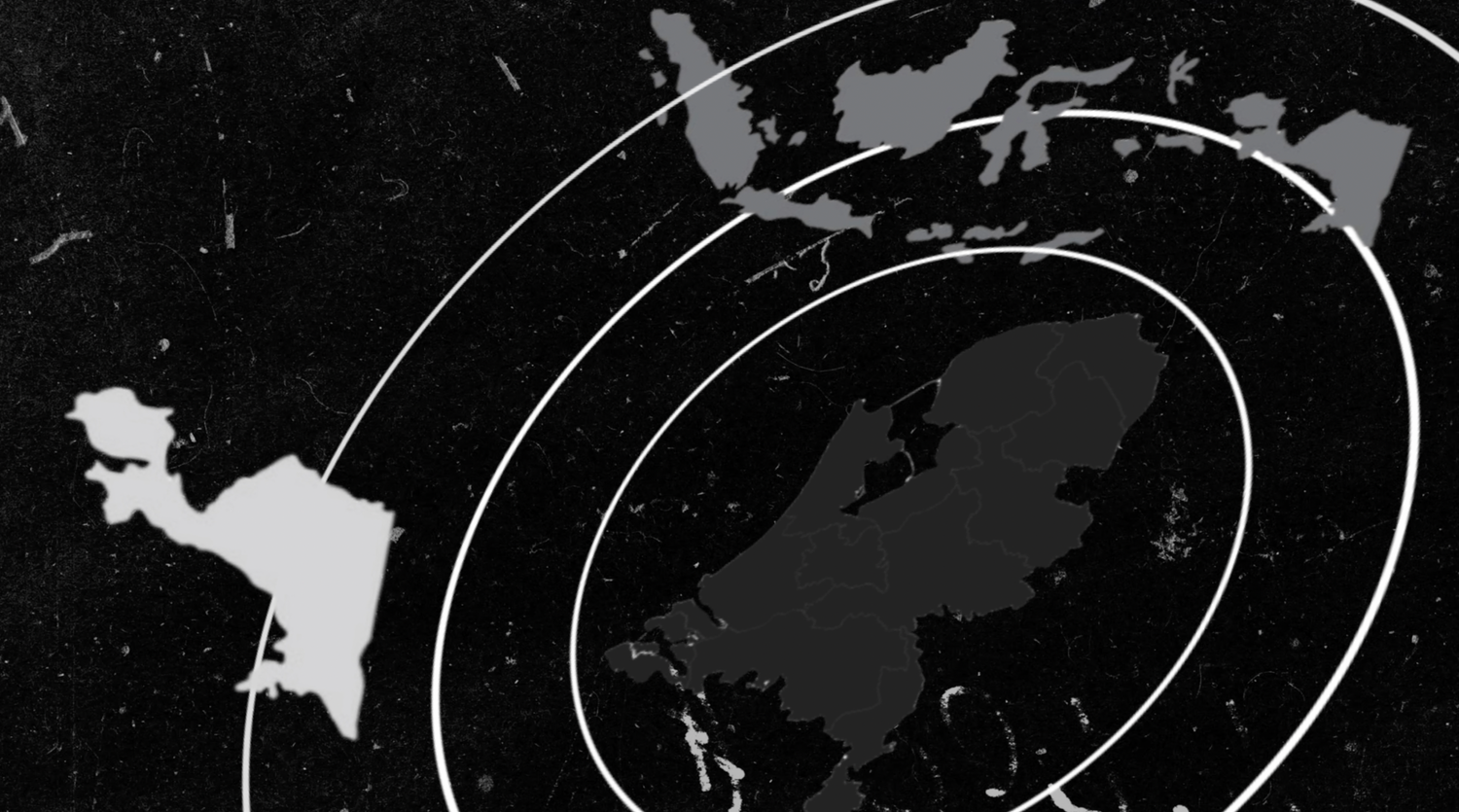
The connection between the Netherlands and Indonesia is a simple one: Indonesia was colonised by the Dutch - out of a profit motive under the The Dutch East India Company (VOC). Although the Dutch arrived in the 17th century, political expansion across all the islands which we now know as ‘Indonesia’ was a slow process and took many centuries. Their new colony, known as the ‘Dutch East Indies’ was Europe’s second largest colony after India and produced tropical commodities of rubber and sugar which propelled the global economy, despite local populations suffering from inequality. In the western world, it was the ‘Dutch Golden Age’ - trade flourished, science and art was innovating, and a small European nation. became the richest country in the 17th century.
On 17 August 1945, an independent republic of Indonesia was declared from the Dutch, except the territory of West New Guinea because of its geographic, cultural and ethnic differences to Indonesia which the Dutch believed, should have the right to self-determination. They helped form a New Guinea Council in 1961, comprised of Papuan representatives who created a 10-year roadmap to independence for the new country of ‘West Papua’, alongside the Morning Star flag, and a national anthem. West Papua celebrated its official inauguration by the raising of the morning star flag in Jayapura on December 1, 1961. Within months, the Indonesian military invaded, claiming to be the legitimate successor to all of the former Dutch colony’, stating that West Papua is an ‘integral part’ to the Republic of Indonesia. Perhaps there were some other intentions behind this definitiveness…
During the military intervention, Indonesia turned to the Soviet Union for help with ammunition, which worried the United States who feared the potential of Communism spreading across South-East Asia. Because Indonesia already had public friendships with communist countries, and the Cold War was in full momentum, the United States along with the United Nations, managed to engineer an agreement between Indonesia and the Netherlands that gives West Papua to the UN as a mediator, who then gives full control to Indonesia - all for the interests of protecting western states from the threat of communism. This is known as the New York agreement of 1962, where West Papua was controversially taken back by Indonesia in 1963. There was NO communication or consultation with the Papuan people and what they wanted.
Despite the agreement promising the right to self determination, this was far from the case. The Indonesian military permeated all levels of society and killed many Papuans in the 7 years of occupation. It was not until 1969 where the UN stepped in to allow the Papuan people to vote for their future. However, this election was completely rigged and was still approved! The 1,025 people who voted were directly selected by the Indonesian military and unsurprisingly, voted unanimously in favour for Indonesian control. There were no Papuans present because they were supposedly ‘too primitive to cast individual votes regarding their political future.’ Hence the ‘Act of Free Choice’ (1969), is commonly known as the ‘Act of No Choice’. As a result, West Papua became formally annexed and added into Indonesia as a ‘fixed land grab’ - in other words: there's wealth on the land and we need it…
This was under the leadership of Indonesia’s 2nd President Suharto who governed under strict military dictatorship until 1998, and is recognised to be one of the most brutal, corrupt and tyrannical leaders of the 20th century.
If there’s one reason the Indonesians wanted West Papua: it was to exploit the resource-rich region of gold, silver, natural gas, copper and timber, which also happened to house the world’s largest goldmine and the third largest copper mine. Known as America and Britain’s Freeport Mount Ertsberg mine, it is valued at 100 billion US dollars and is the biggest tax payer to the Indonesian government. The transnational corporation negotiated directly with Suharto for vast areas of West Papua to be exploited for its own use and for Indonesian interests.
But all of this came at a cost - a cost to the people who live there. These decisions were made ‘without consultation and compensation to Papuan landowners and indigenous peoples who inherited these lands from their ancestors for 40,000 years’. These mines cut through the ancestral lands of the Amungme and Kamoro people, which reduced a sacred mountain to a crater, and poisoned the local river system. Pollution devastated the local ecological environment in one of the most biodiverse places on the planet. Landowner, Perpetua Serero says “… Our traditional customs and values have been disrupted and we have become mere spectators as our earth is being dug up, taken away and sold for millions.”
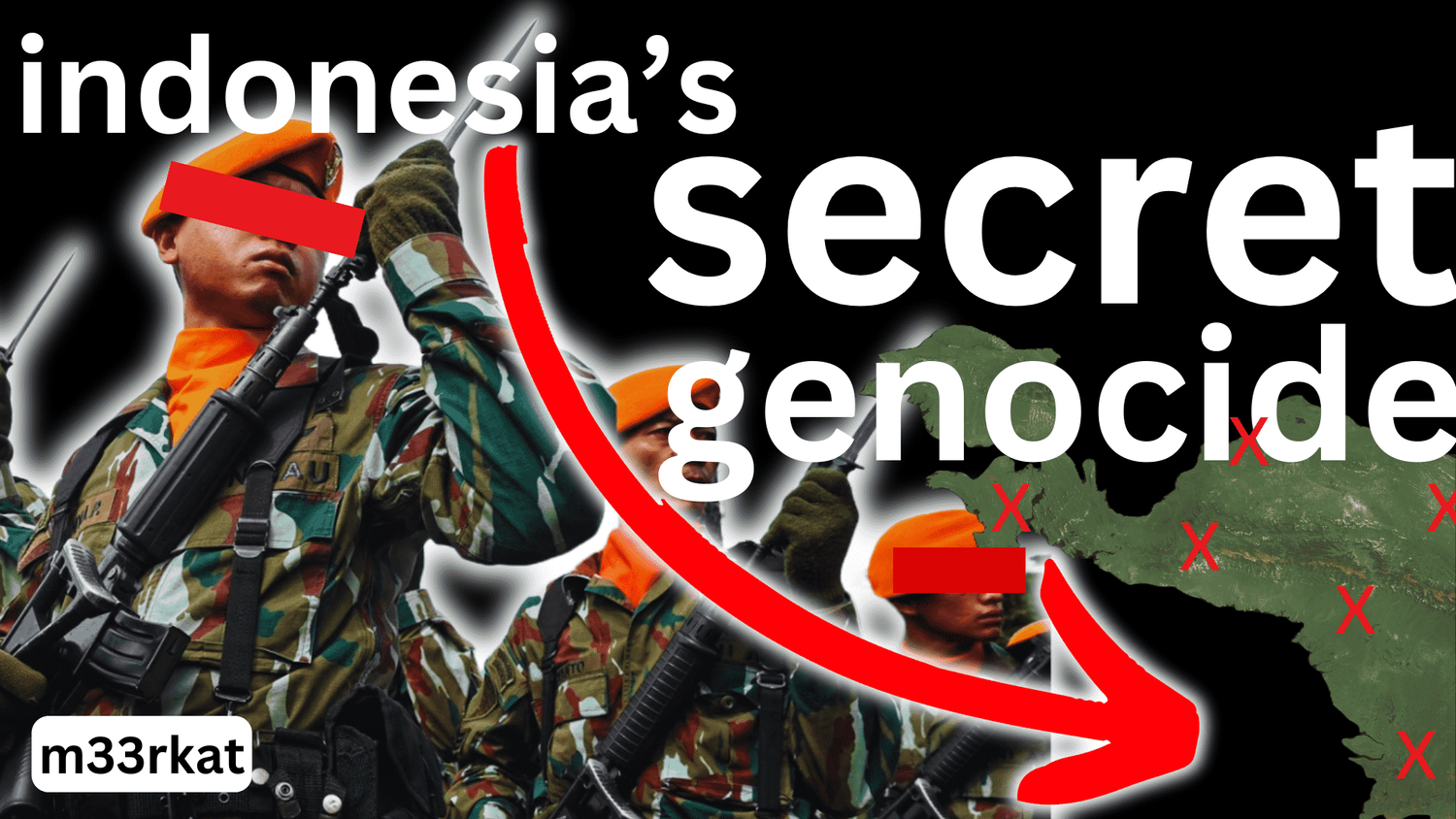
To eradicate one’s land, includes eradicating its people. Since 1969, the Melanesian population has decreased from 99% to 47%, as the Indonesian government has undertaken a social engineering project of massive trans-migration policies, moving Indonesians from higher-density islands to low-population areas. This occurred at a 10.8% rate with over 1 million Indonesians moved, whilst the native Papuan population only grew at 1.84%. This was done intentionally: slowly drown out the population and make them a minority in their culture and their land. After Suharto took charge, he installed a policy of “indonesianisation” to nationalise its economy, but also to assimilate peoples to the ‘Javanise’ population through promoting a unifying Indonesian culture, language, and education. Since then, there is to be an an estimated of ‘as many as half a million men, women, and children shot, poisoned, exiled, starved, and disappeared’ and, systematically, raped, tortured, and murdered by the Indonesian army in the Papuan fight for independence. This ongoing ordeal is what people have framed a ‘slow genocide’.
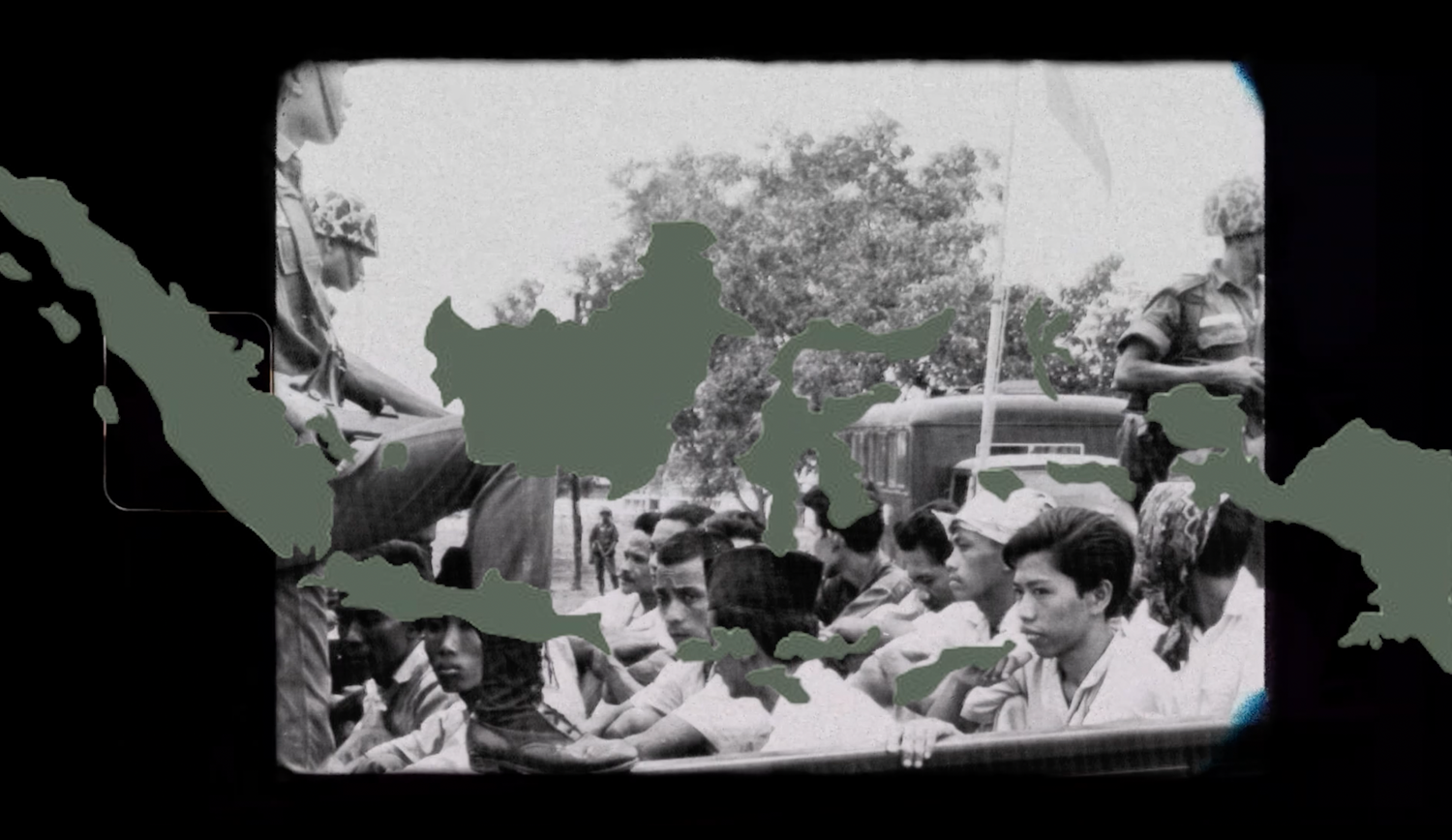
Google describes genocide as the deliberate, organised destruction of a racial or ethnic group…that includes mass murder, forced deportation, systematic rape, and economic and biological subjugation. The word itself did not exist Pre-1944 and Anderson writes, that the way we understand genocide is ‘shaped by its origins in the Holocaust’. This type of genocide also existed under Suharto who carried out a mass killings purge that ranged from 500,000 to 1.2 million communists, leftists and Atheists in 1965-66, which then started his authoritarian ‘New Order’ rule for 3 decades. And in the same country, there has been an active and ongoing genocide that is incremental and across generations, however this one, has not yet had an end date, thus, being labelled a ‘slow genocide.’
From the very first days of occupation, Papua has been under ‘relentless attack’ for its people, and for its land. Since the creation of the mine in 1972, thousands of Papuans have been forcibly removed, killed and displaced from their ancestral lands through intimidation and bribery. Military operations continue to displace Papuans for resource extraction, whilst they barely reap any economic benefits working in their ‘slave-like’ conditions. And from the VERY first days of occupation, resistance persists: In 1970, the Free Papua Movement was created by leaders and youth to protect the identity, dignity and history of the indigenous Melanesians. This liberation movement and armed guerrilla group has continued to fight for independence, and carry out attacks against the military and multinational companies who exploit their land and resources.
And authorities have fought back… →
- In 1998: the Biak Massacre allegedly killed around 150 peaceful protestors…
- In 2014: the Bloody Paniai case that beat 4 youth for criticising a military officer… and killing another 5 the next day at a protest.
- Just last year, An Australian human rights advocacy group criticised the killing of 5 youth from Kingmi Papua Church who were walking back to their villages. They had no affiliation to the liberation army.
Nevertheless, the Indonesian military has shown time and time again, that it will not back down and will use ALL forms of state violence to torture and suppress any mentioning of liberation.
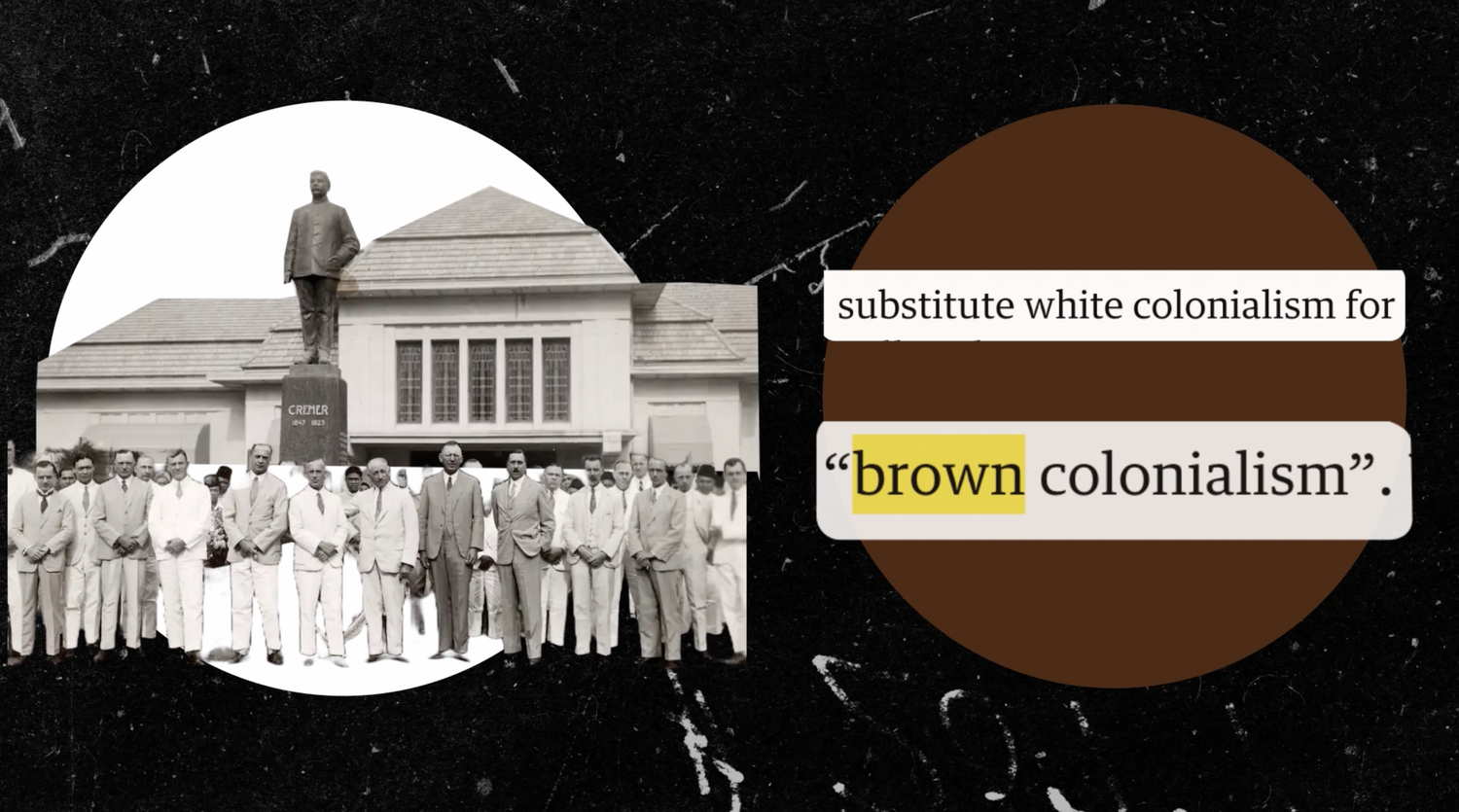
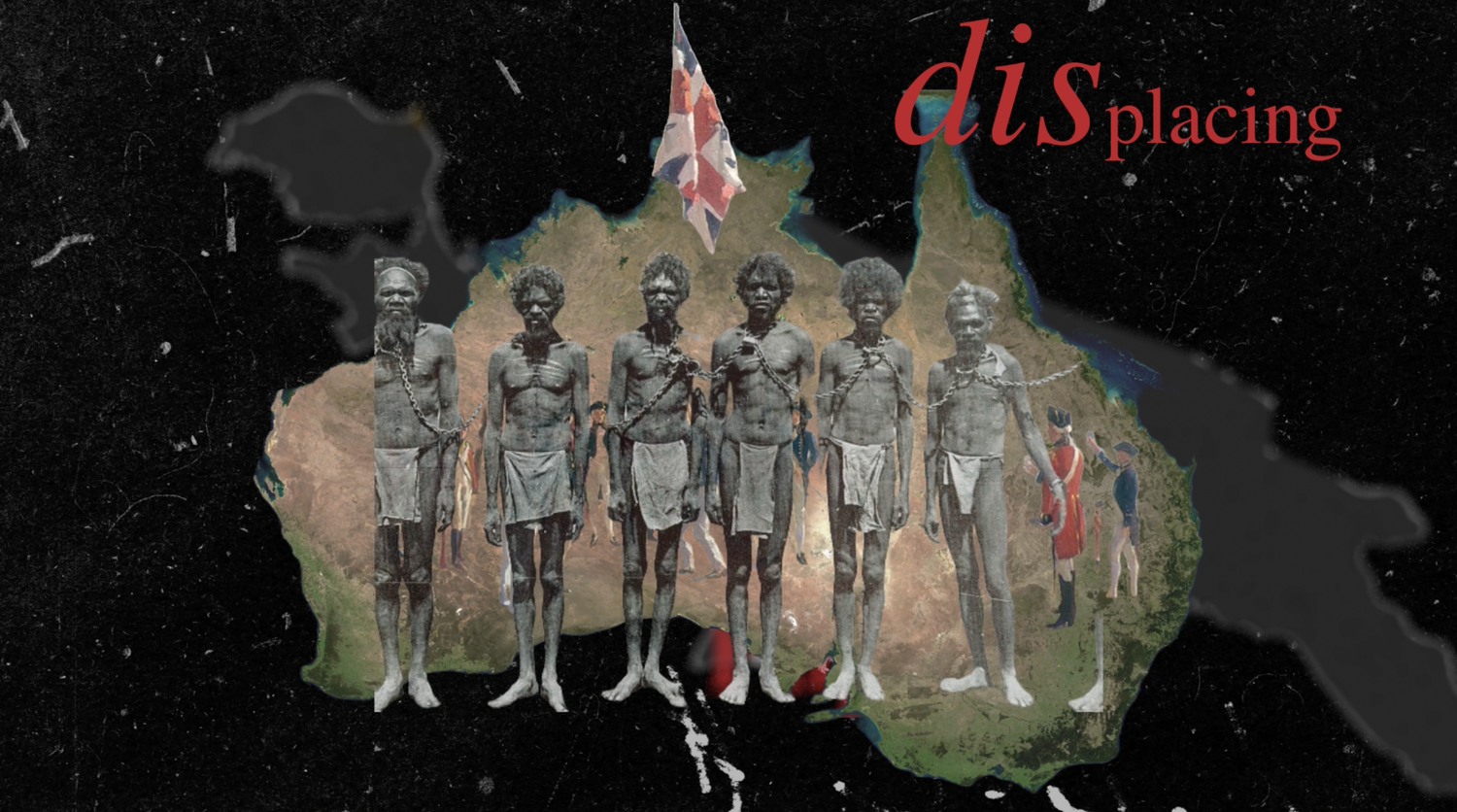
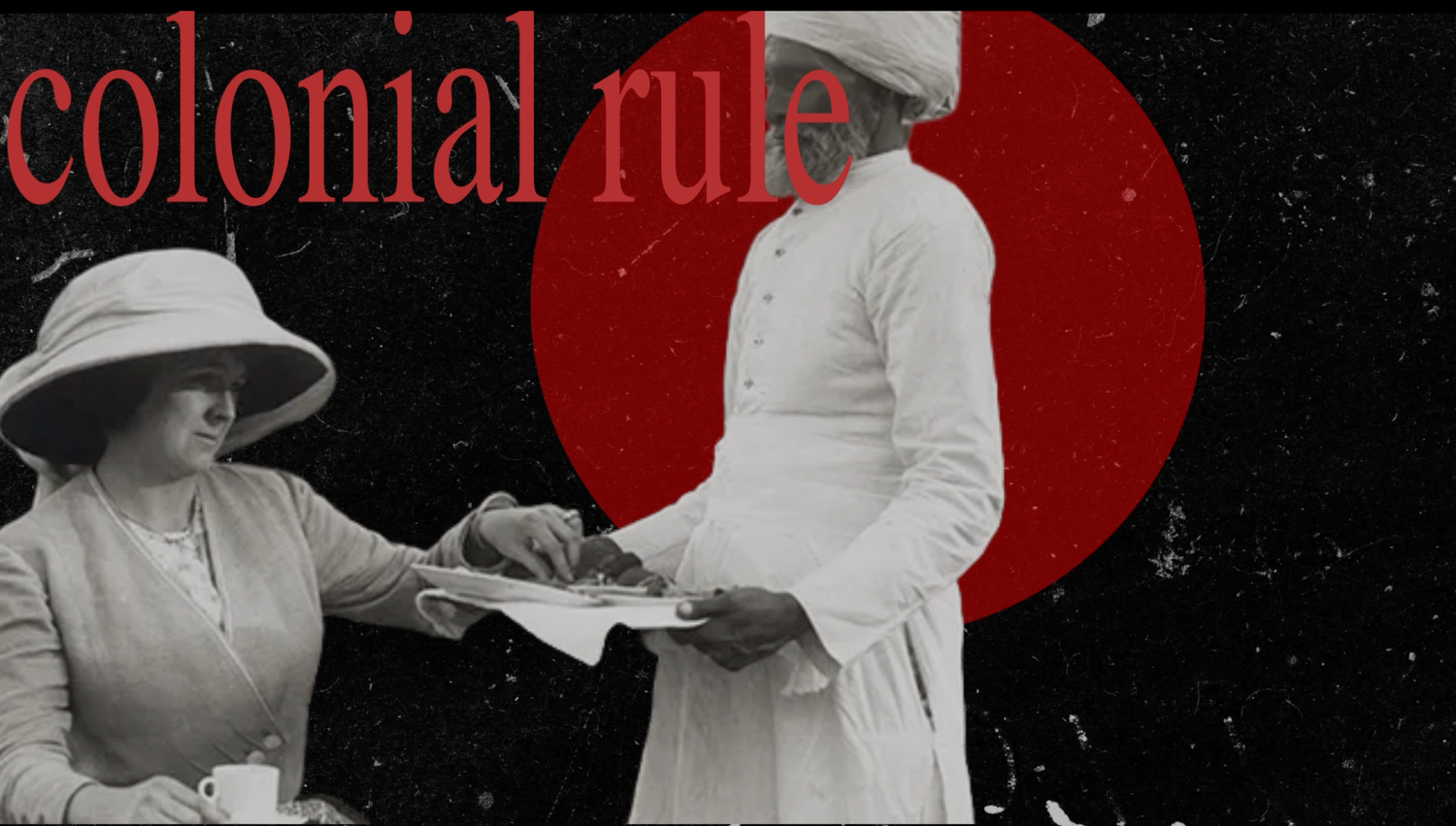
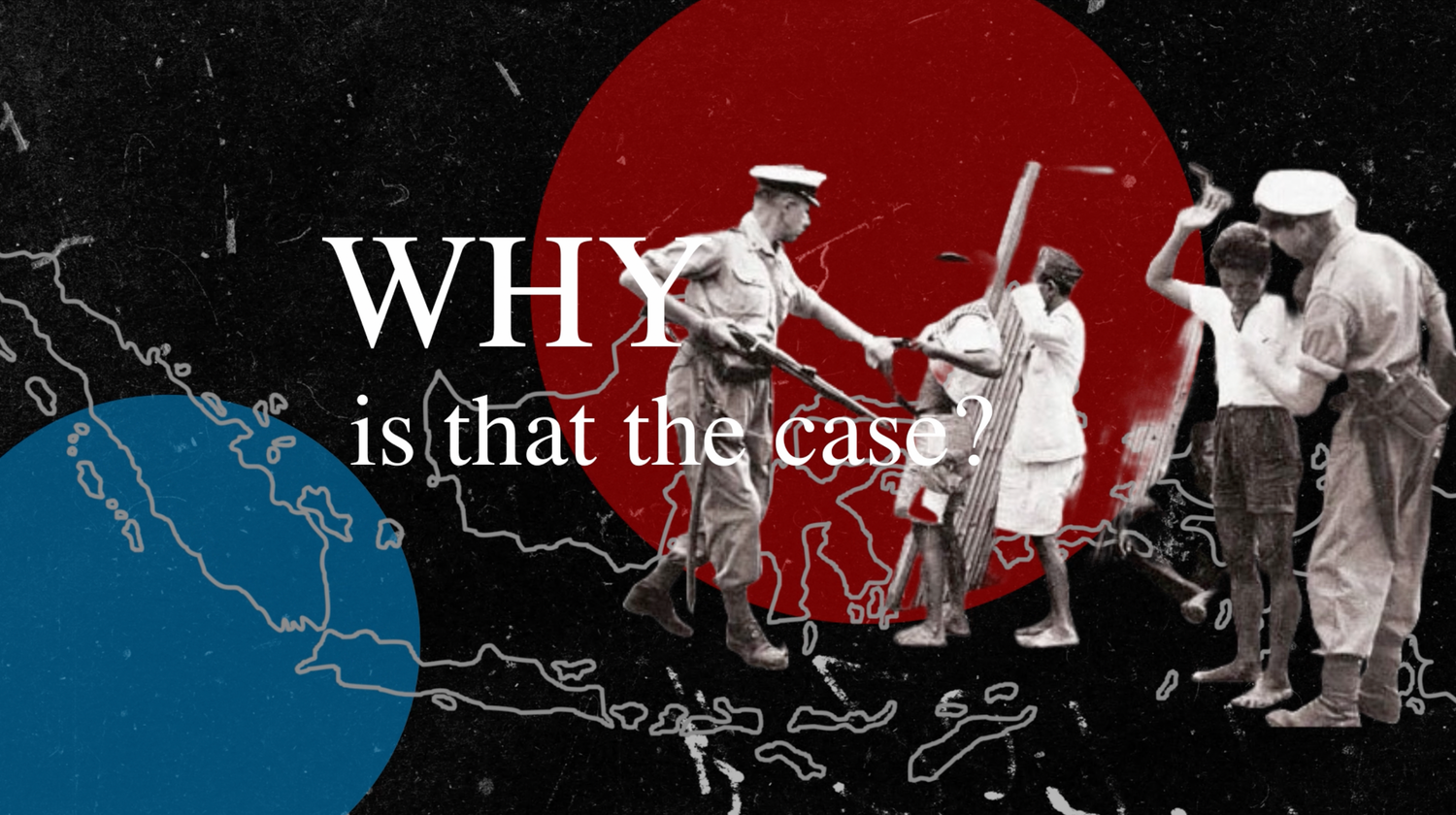
But why is that the case? And how does the history of Indonesia play into this? When we consider colonial rule, we might think of the British Crown, or the Spanish and French empires that once held many overseas territories, but are now all independent nations. Or, we think that Colonialism is an outdated concept that doesn’t occur in modern society. But, this is far from the case: ‘Colonialism is characterised by a regime of foreign domination, the expropriation of land and resources’ and the imposing of foreign ideologies and belief systems onto the native people. In these circumstances, the destruction of Indigenous peoples is inevitable. West Papua is in fact an ‘archetypal settler colony’, like Australia, where colonists settle and control the territory in the form of domination through genocide, in the hopes of displacing a population and replacing it with another. Former Australian prime minister Robert Menzies warned in the 1960s that Indonesian control of West Papua would merely substitute white colonialism for “brown colonialism.”
When the Dutch colonised Indonesia, Indonesia was inferior or ‘marginal in relation to the Netherlands core’, and West Papua would be a step further ‘marginal to Indonesia, thereby, being a ‘periphery of the periphery.’ One can justify colonisation by the need and exploitation of resources on the land, and one can justify taking these resources, if it is deemed as unclaimed or no one's land, that it is terra nullius! If this was the mindset of the Dutch to Indonesia, then similarly, we are seeing this in action by Indonesia to West Papua.
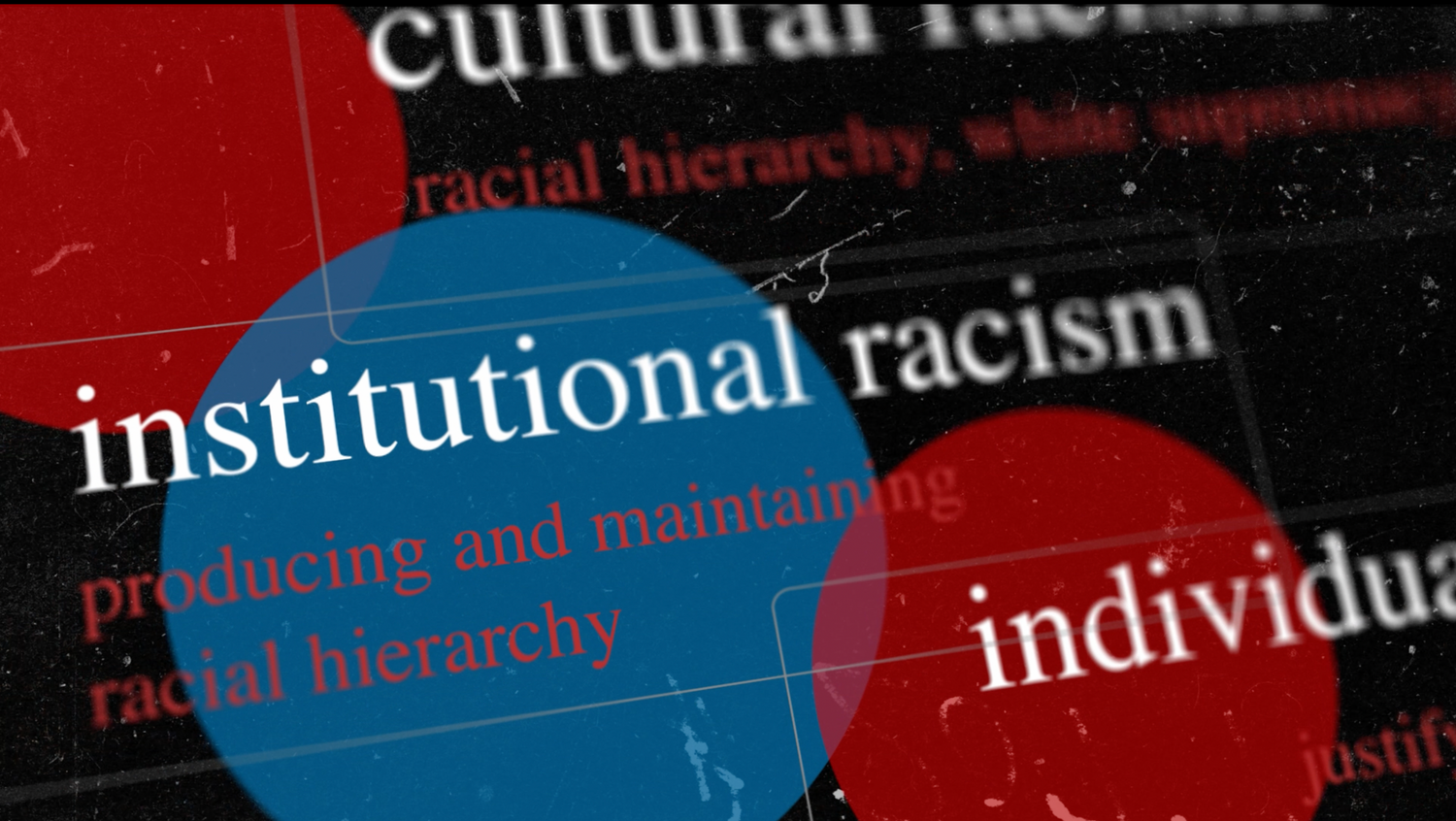
Since the forced incorporation into Indonesia, Papuans have been perceived as bestial, monkey, uncivilised and animalistic, and these same colonial representations of Papuans, have become institutionalised in governance structures. A huge part of the colonial mission is to ‘civilise’ and ‘progress’ the native peoples, through faith, culture and Westernisation. A sense of racial superiority where Indigenous peoples are ‘primitive’ or ‘othered’ is baked in to the colonial mission - Because ultimately, if these bodies are not civilised, then they are merely animal bodies: bodies that can take the atrocities of abuse, torture and violence…
In West Papua, basic human rights continue to be violated. The universal right of freedom of speech is denied, and any criticism of Indonesian rule or acting on the right to independence may throw you in jail… Papuans live in constant fear and intimidation from unexpected violent attacks. This comes with the aforementioned use of torture, rape and genocide committed by the military. And after all these human rights violations, Indonesia has heavily restricted journalism and NGOs to keep the talk of ‘genocide’ off the mouths and front pages of international audiences and media… Whilst international attention was low, Indonesia has continued to get away with their crimes… and Australia continues to impartially contribute by providing significant military training and foreign aid to Indonesia, all the while as mainstream media bats an eye.…
But solidarity persists: in the wake of Palestine and a global solidarity movement across ages, religions, backgrounds and cultures; people will not be turning a blind eye to ‘genocide’ that is documented and reoccurring. It is with great irony, that the Indonesian government has always supported Palestine, meanwhile it commits a genocide under its own watch… The people are now equipped, educated and aware, and traditional forms of media are inept at spreading information and education.
Overall, the West Papuan struggle is the struggle of Indigenous peoples all over the world: the struggle of exploitation. The very basis of this story was that Indonesia invaded an independent country, with the help of UN confusion and US complicity. It is the story of colonial domination against defenceless people: indigenous and tribal communities who had little understanding of the colonial process and became the centrepiece of a ‘a murky alliance between colonial aggression and corporate interests.’ It is the story of grieving and resistance against the forced incorporation into Indonesia during an era of post-colonial freedom. “For the people, it was a betrayal and West Papua remains unfinished business of the United Nations.” Papuans are hoping that the UN can help assist (in) a proper ‘decolonisation’ process from Indonesia, despite their rejection of a 1.8 million signed petition in 2017. In the meantime, Papuans continue to protest peacefully, and reclaim their cultural identity of “Melanesian, not Indonesian!”, an exclamation of “homecoming” that bounds them with their ‘Pacific’ “Melanesian family”…
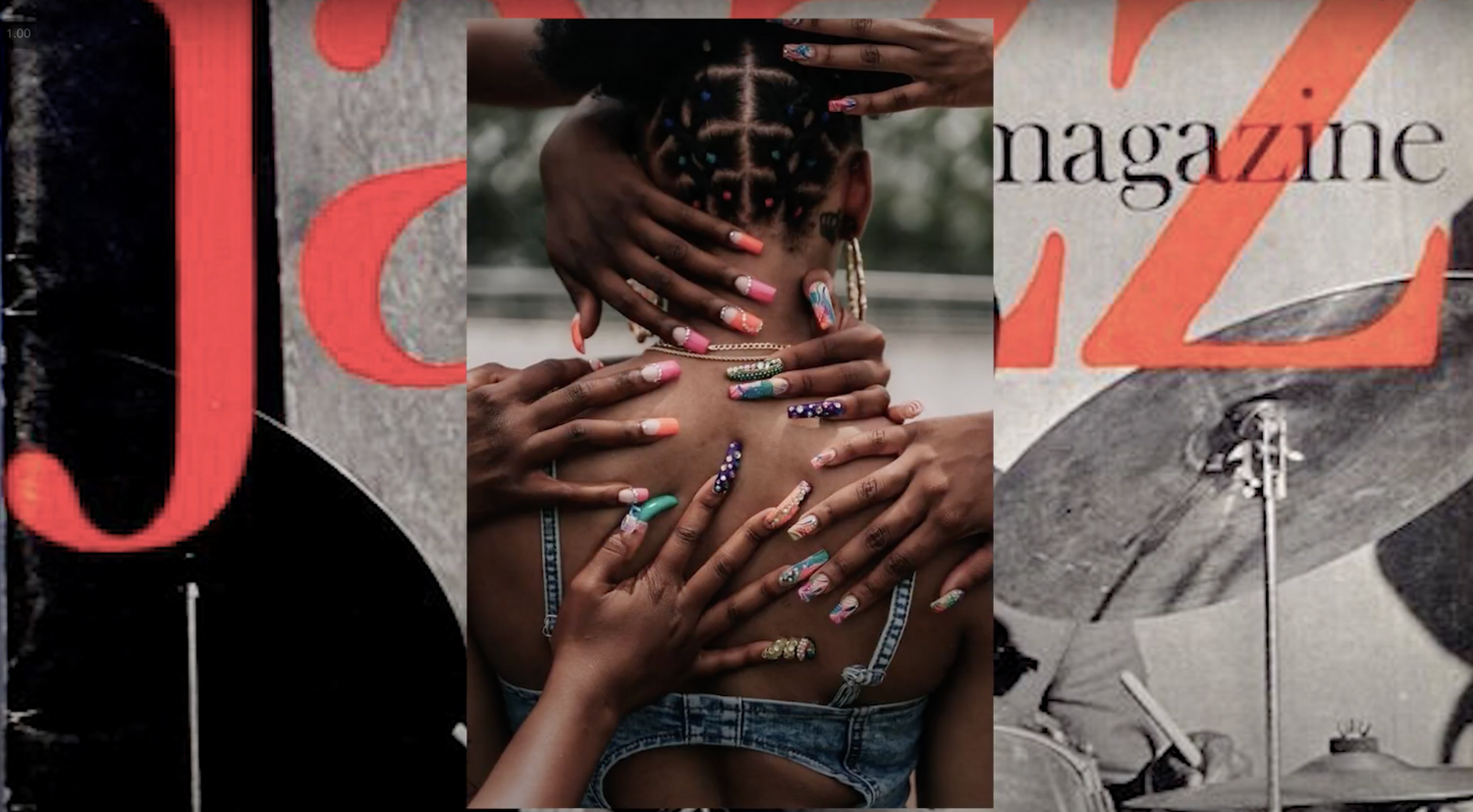
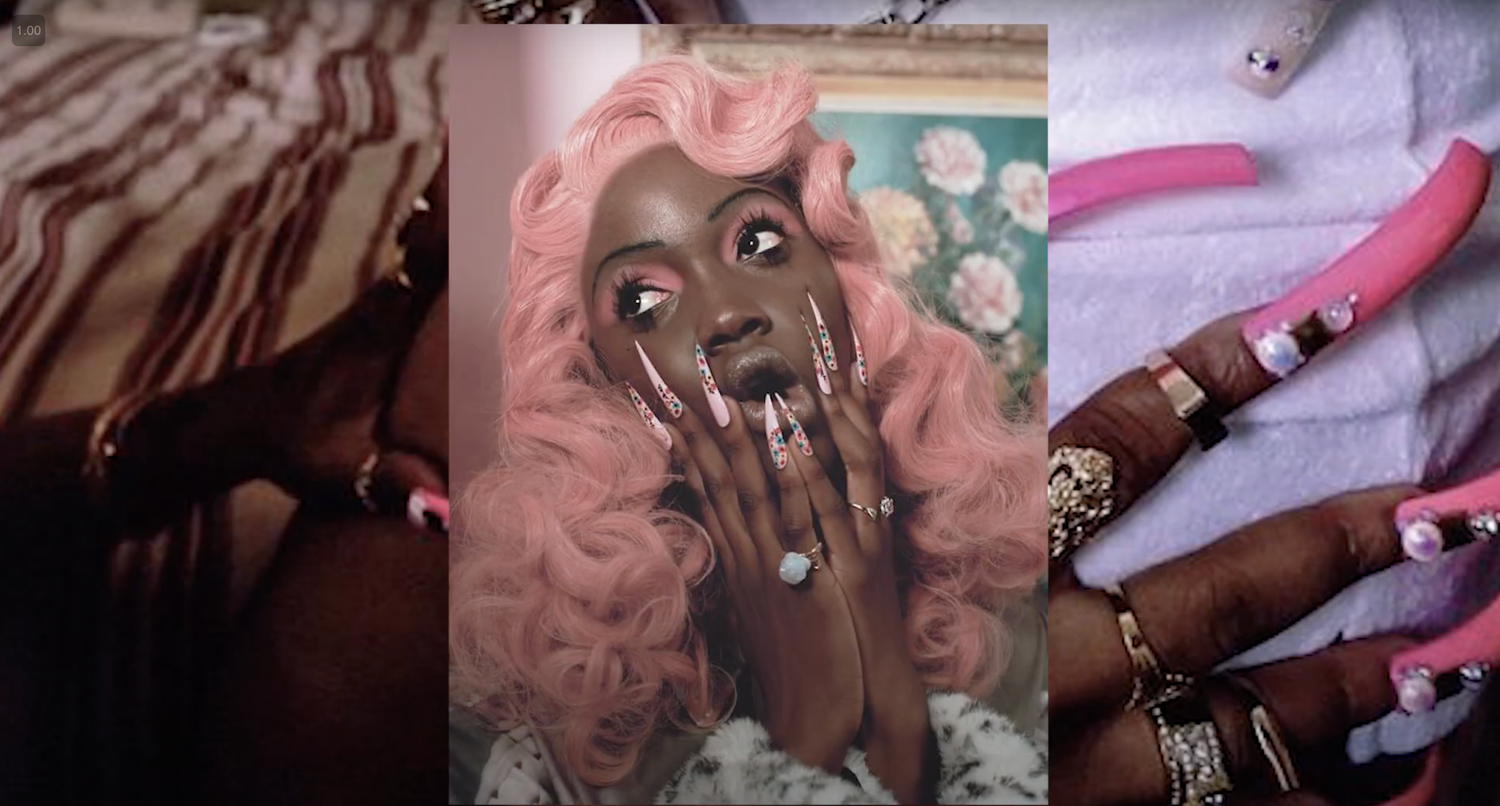
Graphics for 'How Vietnamese Women Pioneered the Nail Industry'